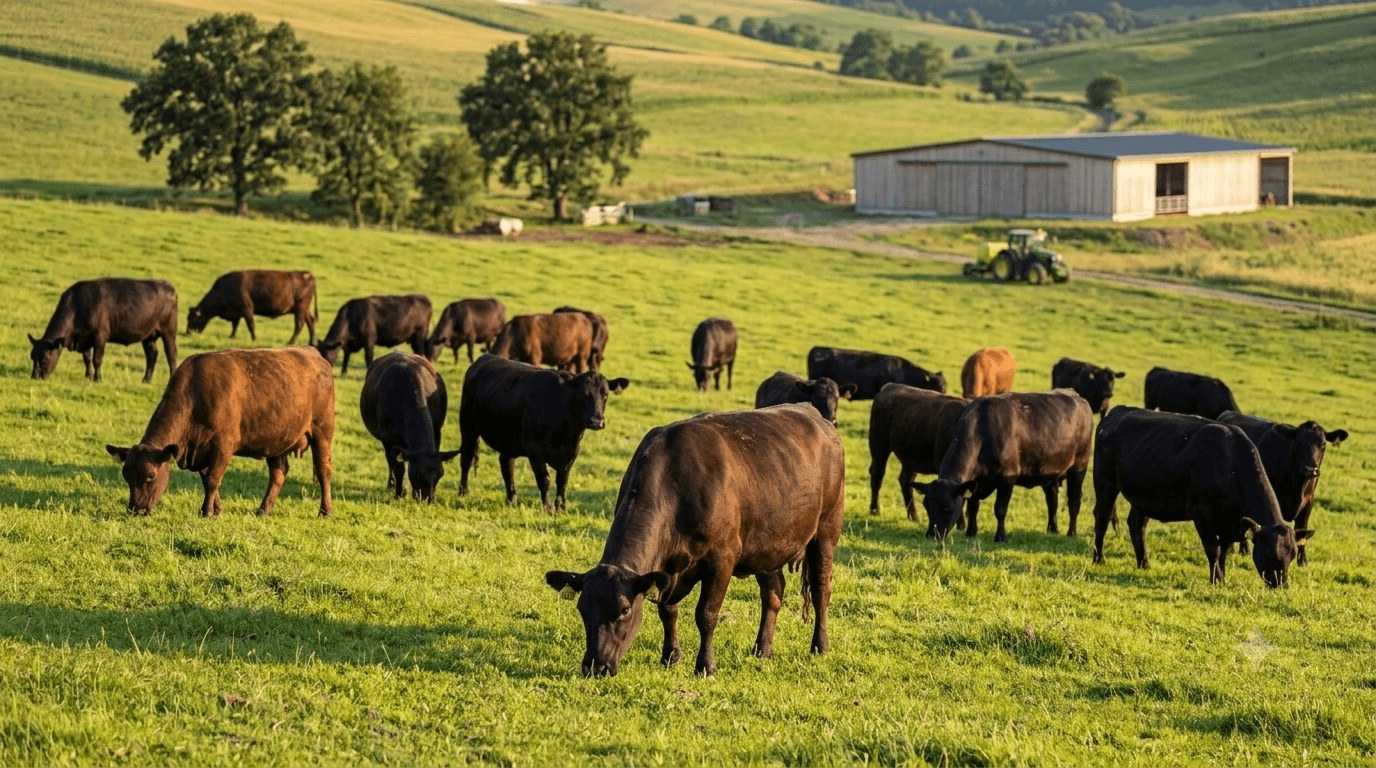
Why Natural Farming is the Future of Agriculture
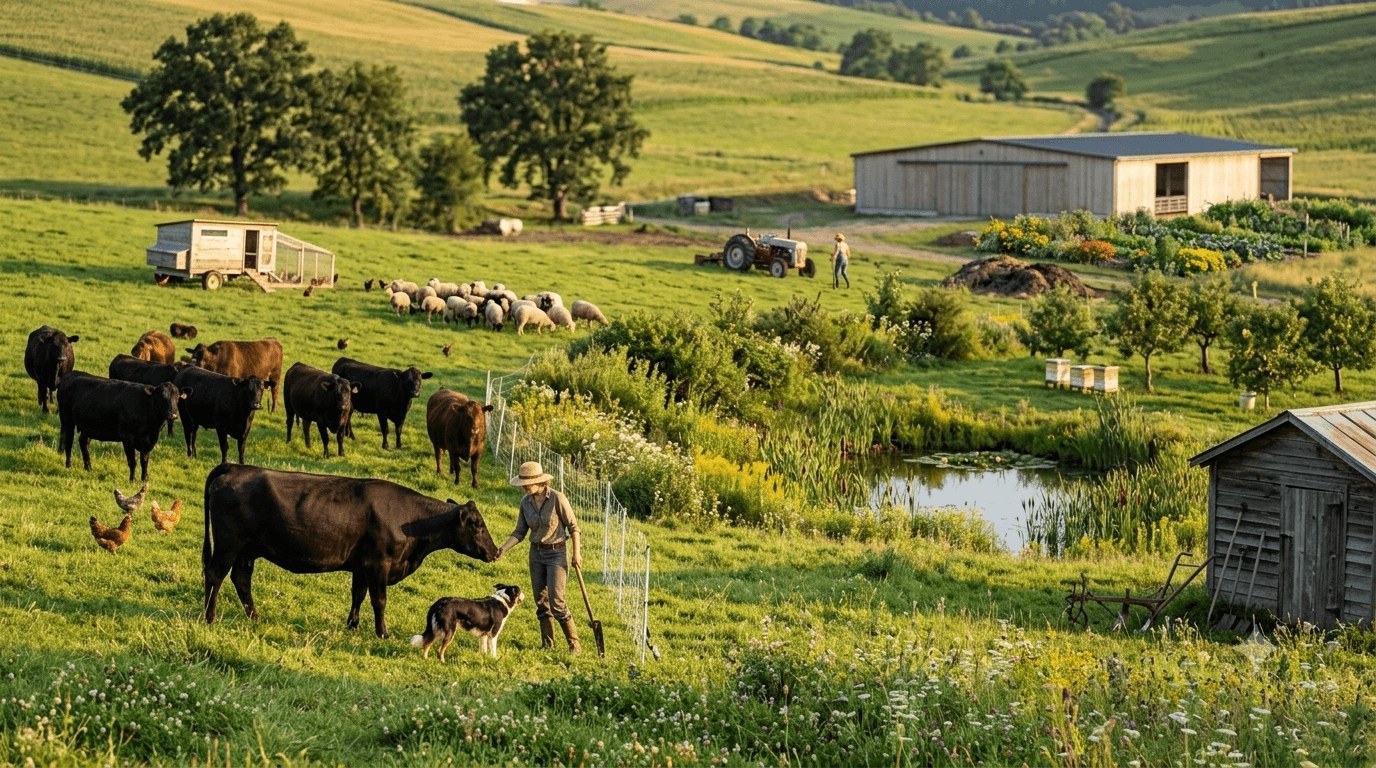
Natural farming represents a transformative shift in agricultural practices, focusing on sustainability, biodiversity, and the health of our planet. As concerns about environmental degradation and food safety grow, more farmers and consumers are turning toward methods that work with nature rather than against it.
- Cultivating food with integrity and care.
- Committed to environmentally friendly farming practices.
- Supporting health and wellness through organic produce.
- Building a sustainable future for generations to come.
Key Reasons for the Rise of Natural Farming
Here are several compelling reasons why natural farming is becoming the future of agriculture:
- Healthier Produce: Natural farming avoids synthetic pesticides and fertilizers, resulting in safer, healthier food for consumers.
- Environmental Benefits: Natural practices enhance soil health, conserve water, and reduce pollution, promoting a healthier ecosystem.
- Biodiversity Preservation: By fostering diverse plant and animal life, natural farms contribute to the resilience of local ecosystems.
- Consumer Demand: Growing awareness and demand for natural products encourage farmers to adopt natural practices to meet consumer preferences.
The Path Forward for Natural Agriculture
As technology and research continue to evolve, natural farming practices will likely become more efficient and accessible. Innovations in natural pest management, soil enhancement, and crop diversity are paving the way for a more resilient food system.
Embracing natural farming is essential for ensuring a safe and sustainable food supply for future generations.